

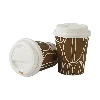
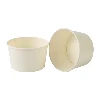
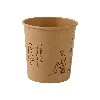
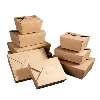
Quzhou Hongkang Paper Products Co., Ltd. is a professional manufacturer engaged in the research, development, production, sale and service of paper cup, ice cream cup, soup container, food tray and PS, PET, paper lid. We have more than 100 self-developed designs and molds for you to choose from. We release at least 10 new products monthly to meet the latest market trends.
Paper Cup Size and Shape
Our recyclable paper cups are available in various sizes to carry practically anything. For our personalized wholesale disposable paper cups, we provide a range of patterns, sizes, and forms.
Customization Logo
With the help of our skilled product production team, we can create custom packaging for your company. Imprint your brand on the paper cups to advertise your company.
Design and Printing
We offer your business a variety of designs, whether ready-made stock print designs or products with bespoke printing, thanks to our first-rate design and printing service.
Sustainable Materials
We create, manufacture, and offer a wide selection of environmentally friendly food packaging choices that lessen customer reliance on petroleum-based packaging.
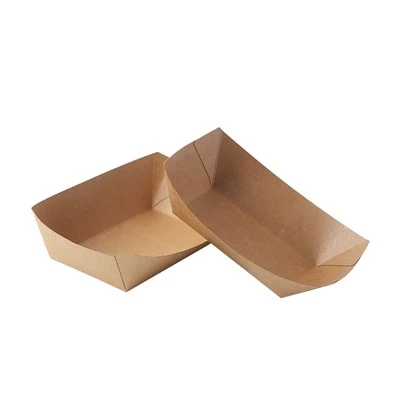
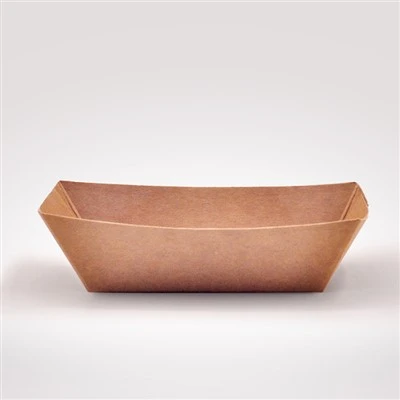
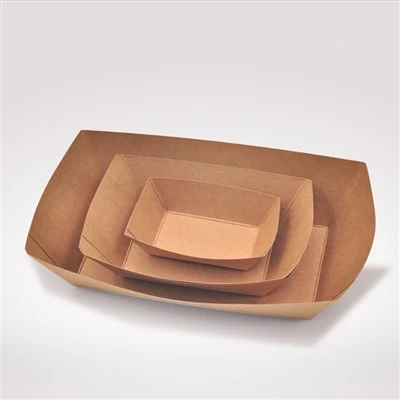
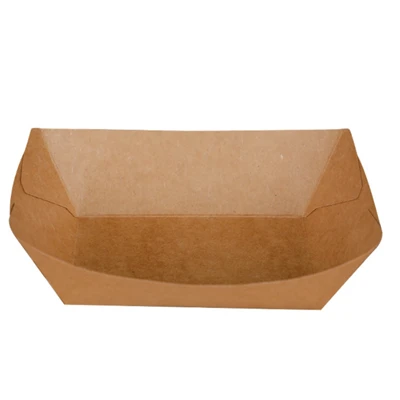
Introduction of Food Tray
Easily serve a wide variety of tasty finger foods, freshly made sides. Versatile in both design and use, the tray is great for french fries, chicken tenders, mozzarella sticks, and other popular fried favorites, or with cold items such as veggies, fruit, and pasta salad.
Step 1: Submit A Quote Request
The process for custom food tray development begins with a quote request. You can submit a quote request telling us what you’re looking to have produced and we can then provide you with a quote on how much your custom product order would cost.
Step 2: Send Over Your Design
If the quote looks good to you, the next step will be sending us the custom design you want added to your custom disposables. Ideally, your design will be in an Adobe Illustrator (.ai) or encapsulated postscript (.eps) format, but we can help you convert the file for free if it isn’t. If you don’t have a design created, we can help you create a design at no cost!
Step 3: Review The Proof
Once we have your custom design, we’ll then create a proof for you to review so that you can see what your design will look like on your new custom food tray. If you approve of the proof, we’ll then send you an invoice before beginning production.
Step 4: Production & Delivery
Once your invoice is paid, we’ll begin production. We’ll deliver your custom food tray straight to you after production. If you don’t have the storage for your whole order, we can store a portion of your order for you until you need it.
Benefits of Using Food Plates and Trays in Restaurants and Kitchens
Effortless Elegance
Picture this – a server gracefully gliding through the dining room, balancing a stack of pristine dinner plates in one hand. It's a sight to behold, adding a touch of sophistication to the whole dining experience.
Guest-Friendly
Plates and trays are the perfect companions for your finger-licking-good feast. They make it easy for guests to enjoy their meals without fearing contamination, keeping those pesky bacteria at bay.
Image is Everything
We all know that we eat with our eyes first, right? A well-arranged dish on a ceramic or pottery plate is like a work of art. It enhances the visual appeal and elevates the dining experience to a whole new level.
Sanitary Solutions
Plates and trays provide a sanitary barrier between your food and the table surface. No more worries about toxins or unsightly residue ruining your meal!
Practical Prowess
Plates and trays make the lives of servers and kitchen staff much easier. They can stack and accommodate multiple dishes, providing efficient service and timely delivery.
Safety First
My friends, the health department is all about promoting safety. And guess what? Using plates and trays is one way to stay on their good side. They always keep those sanitized dishes ready, ensuring safe food contact surfaces.
Ditch the Finger Bowl
Let's be real – nobody wants to plunge their fingers into a communal bowl of water. With plates and trays, you can bid farewell to the finger bowl and opt for a more hygienic dining experience.
The Art of the Napkin
Ah, the trusty napkin! It is on a plate or tray, ready to catch spills or elegantly dab away crumbs. It's like a knight in shining armor, protecting your clothing from food mishaps.
Beverage Bliss
Oh, and let's not forget the humble glass or cup resting comfortably on its designated spot. They hold your favorite drink, whether a refreshing cocktail or a soothing cup of joe, completing the dining experience.
All Types of Food Serving Trays

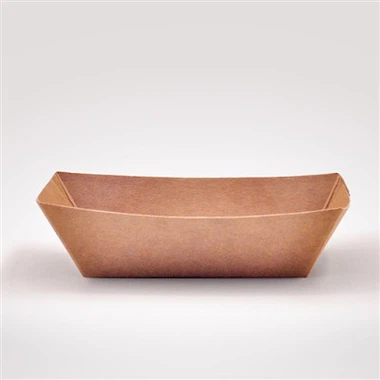
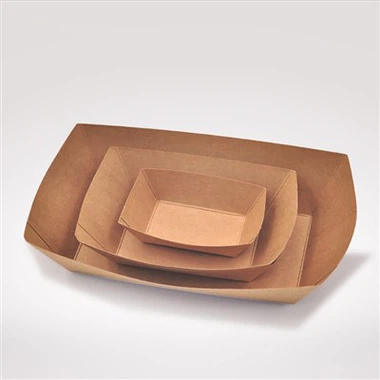
Party Serving Trays
Party serving trays can either be simple or decorative depending upon the venue. For example if these are to be used for special occasions such as weddings then these may also be decorative and in large sizes. The most common type of party trays are the tiered ones which have multiple levels of trays similar to the ones shown above. These trays can either be used for tea party or any other party for serving foods such as fruits, cookies, salads etc. These trays when placed prominently become the center of attraction. For parties taking place in homes only 2-3 such trays are required but you will also find more quantities where there is a huge gathering.
Restaurant Serving Trays
In restaurants food is served in both trolleys and serving trays. Most of the fast food restaurants use plastic serving trays while other high profile restaurants use metallic trays for serving food. Depending upon the size of a restaurant, these are bought in bulk, usually a few serving trays per table. Usually plastic trays are cheaper and are bought in more quantity as compared to metal serving trays that last longer.
Decorative Serving Trays
Another most sold serving trays type are the decorative serving trays that are mistaken for the tiered trays discussed above. These can be any type of trays from plastic to glass or metal. These trays are used for serving food directly without the use of other platters or bowls. These are used for serving desserts, salads, gravy etc.
Plastic Serving Trays
These plastic serving trays can either be divided or non-divided type. These usually come in a pack of dozen since they are cheaper and have limited life. These are bought in bulk as it is hard to find the same size/color/shape again. Advantage of plastic trays is that these are very light weight, durable enough and come in a variety of attractive colors to match with your dining arrangement.
Wooden Serving Trays
Usually the wooden serving trays are not very common and you will find these in places such as coffee shops, cafes and even in the homes of those who love wooden serveware. These are very durable, sometimes heavy but they look elegant specially if they match the rest of the dining arrangement.
Silver Serving Trays
The silver serving trays are one of the most prominent types specially in the Food service industry. Because of their shiny surface and elegant appearance, these are most widely used in the catering industry. These tend to last longer and require minimum maintenance due to easy cleaning. These silver serving trays can either be round or rectangular or in any other shape.
Catering Serving Trays
These types are mostly made of stainless steel and are usually simple in design. Catering serving trays are usually rectangular and oval but other shapes are also available. The stainless steel serving trays are the best when it comes to easy cleaning, durability and long lasting finish.
Different Types of Paper Used in Food Tray Packaging
Description: It is a form of paperboard that is manufactured using the chemically treated wood pulp in order to render it more durable and tenacious. Because it can withstand moisture and can be easily printed on, it is frequently utilized in the food packaging industry. In order to remove the cellulose from wood chips, first they are burned with chemicals and then soaked in water. After the cellulose has been bleached and dried, the next step in the process is to make a paperboard. In order to make Kraft paper water-resistant, wax or polymer that is safe for human consumption is typically added.In the food industry, kraft paperboard can be found in the packaging of a wide range of items, including dry foods, cereals, snacks, and confections. Additionally, it can be utilized as a wrapping material for meat, fish, and poultry. In addition, the liner of pizza boxes is often made of Kraft paperboard, which is used extensively.
Benefits: Because it is strong and durable, it is an excellent choice as a material for the packaging of food. Because of this, it is an excellent method for preserving the safety of food while it is being transported. Additionally, because it prevents moisture from getting into the packaging, kraft paper can help keep food fresh for longer. The fact that kraft paper can be recycled into new paper is yet another benefit of choosing this type of paper. As a consequence of this, it is a more environmentally friendly alternative to other packaging materials, such as plastic. Reusing Kraft paper is one of the best ways to reduce the material’s overall impact on the environment. When it comes to the packaging of food, employing kraft paper has a number of benefits that should not be overlooked.
Applications: Wrapping many different types of food in Kraft paper is a common practice. Among them are things like tissue paper, wax paper, boxes of pasta, boxes of cereal, and boxes of cracker food. In addition, sandwich bags and chip bags are both examples of food packaging that make use of Kraft paper.
Description: It is normal practice to use tissue paper when wrapping presents or other fragile items. Paper that is either intricately decorated or brightly colored and extremely thin is typically used in its construction. Wrapping tissue paper is sold both in sheets and in rolls, and it can be purchased either in packets containing multiple sheets or individually. In order to provide additional cushioning and defense for the contents of the gift as well as the outer layer of the wrapping paper, it is common practice to insert tissue paper in this space. They can prevent the contents of a box or cargo from shifting during delivery by using tissue paper to fill any empty spaces that may exist within the container. In addition to being used for gift wrapping, wrapping tissue paper is also commonly used to wrap clothing, glassware, and sensitive electronic components.
Benefits: Tissue paper is a type of paper that is very lightweight and very thin. It also comes in a variety of colors. Wrapping greasy food is its most common application, although it can also be used for food packaging. When it comes to the packaging of food, employing tissue paper offers a number of benefits. To begin, it prevents the food from being exposed to oxygen and moisture. Because of this, the food’s shelf life may be increased as a result. Additionally, tissue paper can help prevent freezer burn when used properly. It is also excellent for lining bags or boxes, which helps to keep the contents clean and clear of dirt and debris that may have been inside the bag or box. When selecting a product that will be used for food packaging, it is essential to select tissue paper that was made from components that are suitable for consumption. The utilization of tissue paper in this manner will prevent the food from becoming tainted.
Applications: Wrapping many different kinds of food products with tissue paper, each of which offers its own unique set of benefits, is a common practice in the packaging industry. One of the items that is commonly served in a tissue paper-wrapped presentation is sushi. Rice, seafood, and vegetables are typically encased in nori (a type of seaweed) and served as part of the traditional Japanese dish known as sushi. The sushi does not lose its form and does not dissolve because it is wrapped in tissue paper. The cake is yet another delicacy that is traditionally presented on tissue paper. The cake is a delicious dessert that is made by combining ingredients like flour, sugar, eggs, and butter. Cakes are typically encased in tissue paper so they retain their moisture and do not become dry over time. Another type of meal that typically comes wrapped in tissue paper is pastry.
Description: Paper that has been treated to be resistant to grease and oil is known as greaseproof paper. It finds employment in a wide variety of contexts, such as the lining of baking pans and the packaging of food products. In addition, the greaseproof paper has a number of applications in the manufacturing industry, including the production of electrical insulation. The vast majority of grease-resistant sheets are made of cellulose, which is a substance derived from plants. In order to make a sheet of paper, cellulose is first mixed with a trace amount of clay, and then the mixture is covered in a layer of synthetic glue. When oils or fats come in contact with the resin, they are separated from the paper and become a separate product. As a direct consequence of this, the paper is resistant to both water and grease. In comparison to other kinds of paper, the greaseproof paper offers a number of benefits.
Benefits: The surface of greaseproof paper is coated with a thin layer of oil or wax to prevent the paper from absorbing grease. Because of this, it is resistant to both oil and moisture. There are a lot of benefits associated with greaseproof paper. One of the benefits is that it is helpful in maintaining the freshness of food. In addition to this, it stops food from sticking to the packaging. Additionally, greaseproof paper can be recycled and even composted. Wrappers for sandwiches, burgers, and burritos are just a few examples of the many uses that can be found for greaseproof paper. This is yet another benefit offered by this type of paper. In addition to that, they may use it as a liner for cookie sheets and bake pans. Additionally, greaseproof paper can be utilized in the production of greaseproof bags that are used for the storage of food.
Applications: Paper, cardboard, and other packing materials typically have grease-resistant coatings put to them so that the contents within can remain spotless and uncontaminated. A coating that is resistant to grease is beneficial for a wide variety of food kinds, including the following: Baked goods: coatings that are resistant to grease can assist in maintaining the freshness and dryness of baked goods. A greaseproof coating can assist maintain the crispiness of fried items and keep them from clinging to the pan in which they were cooked. The use of coatings that are resistant to grease on canned goods can assist avoid rusting or damage caused by moisture.
Description: It is a material that can be put to use in a wide variety of different situations. It is protected by a substance called as paraffin and is constructed out of cellulose, which is a naturally occurring polymer. As a direct consequence of this, it is resistant to water and oil. Glassine paper is see-through and has a velvety texture all over its surface. Due to the fact that, in contrast to other types of paper, it does not lose its color or fall apart with time.
Benefits: When it comes to the packaging of food, glassine paper offers many benefits. Because this material is resistant to grease, it won’t soak up any oil or grease from the food they put on it. As a consequence of this, it is appropriate for use in the packaging of fatty foods. As a result of its resistance to moisture, glassine paper does not take on the moisture that is present in its surroundings or in food. As a consequence of this, it is appropriate for use in the packaging of dry goods such as crackers and biscuits. Last but not least, seeing as how glassine paper may be heat-sealed, it can be utilized in the production of hermetic packaging. As a consequence of this, it is an excellent choice for the packing of hot foods like as pizzas and sandwiches.
Applications: Glassine paper is a type of paper that is approved for use with food and is frequently utilized in the food packaging and culinary industries. It is typically waterproofed with wax or grease and is constructed out of chemically treated wood pulp that has been bleached. Wrapping, lining, or coating food using glassine paper is possible because the paper is safe for use with food. Wrapping, lining, or covering a wide variety of foods with glassine paper are all possible uses for this versatile paper. There are a variety of foods in this category, including meats, cheeses, bread, pastries, and fruits. Glassine paper should be used to line baking pans or trays before they are put into the oven. Glassine paper is a versatile culinary product that may be used in a number of different applications due to its adaptability. It is safe for food contact and can assist in maintaining the flavor and freshness of the food they have.
Description: The term “vegetable parchment paper” refers to a specific type of paper that is made from vegetable fibers. This ingredient is frequently utilized in the culinary and baking arts. In the culinary world, they may also hear it referred to as greaseproof paper or parchment paper. A naturally occurring polymer called cellulose can be found in plants, and this is the material that is used to make vegetable parchment paper. The pulp of vegetables such as cabbage and carrots can be utilized to make this kind of paper. The production process for vegetable parchment paper is identical to that used to make traditional parchment paper. On the other hand, the paper gets its signature look and feel from the vegetable fibers that were used in its production. This type of paper has a number of benefits that other types of paper do not have. Food does not adhere to it because it is made of a nonstick material. Because it can withstand high temperatures, they can use it in the microwave or the oven without worrying about damaging it.
Benefits: A recent study suggests that vegetable parchment paper could be beneficial when it comes to the packaging of food. The experiment conducted by the University of Manchester found that this material has the ability to assist in keeping food fresh and preventing it from going bad. For the production of vegetable parchment paper, the natural polymer cellulose is utilized. As a consequence of this, it is capable of biodegradation and composting. Additionally, it can be composted. According to the findings of the study, the material has the potential to assist in maintaining the freshness of food for up to three days longer than conventional materials such as plastic wrap. It is not the first time that the benefits of using vegetable parchment paper as a food packaging alternative have been demonstrated. In 2016, researchers from the University of California conducted a study to see whether or not the material could assist reduce the amount of freezer burn that occurs in frozen foods.
Applications: The nonstick properties of parchment paper are achieved by coating the paper with an oily substance. In addition to being resistant to moisture, the material is versatile and may be used for a wide range of applications in the kitchen. In the kitchen, parchment paper can be put to a variety of uses, including the lining of baking pans and the packaging of food. It is a versatile substance that may be used in the kitchen for a variety of purposes, including cooking and baking. Both bleached and unbleached versions of parchment paper are commercially available. Parchment paper that has been bleached is white in color and has undergone a chemical process that renders it nonstick. Unbleached parchment paper is brown in color because it has not been subjected to any kind of chemical processing. It is possible to use parchment paper for a wide variety of dishes, including baked goods, chicken, fish, and vegetables, among others.
Description: Paper that has been waxed is paper that has been coated with a very thin layer of wax. Because of the wax, the paper becomes more resistant to water and is less likely to tear. In order to prevent food from adhering to a pan or grill, waxed paper is a common item seen in many kitchens. Because the wax contributes to the food staying fresher for a longer period of time, it can also be used to wrap food. The ability of waxed paper to aid in maintaining the freshness of food is one of the most significant advantages of using this material. Putting a barrier between food and the outside world can be accomplished by using waxed paper to wrap food items like sandwiches or other goods. This barrier prevents oxygen and moisture from entering the container, which would otherwise cause the food to go bad. The wax also helps to lock in flavors, allowing their food to taste more fresh for a longer period of time than it would without.
Benefits: Waxed paper is a versatile material that may be used for a range of applications, including the packaging of food. One of these applications is the packaging of food. The waxed paper has a number of useful properties that make it an excellent choice for the packaging of food, including resistance to moisture and the ability to maintain food’s freshness. Waxed paper is formed by placing a thin layer of wax to the paper. Because of this, the paper benefits from a number of features that make it a good choice for the packaging of food. The layer of wax protects the paper from absorbing moisture from foods like bread and fruits that are placed on top of it. This keeps food fresher for a longer period of time. The wax coating that surrounds waxed paper makes it resistant to grease as well. Because the fat cannot seep through the paper, it is an excellent choice for wrapping fatty foods such as bacon or sausage, as this prevents the dish from becoming oily.
Applications: Foods of many different kinds can be stored in containers made of waxed paper. Granola, nuts, seeds, and dried fruit are some examples of these types of foods. It is also possible to use it to wrap sandwiches and wraps, in addition to some types of desserts. The challenge here is to prevent the food from becoming very greasy or watery, both of which have the potential to cause the wax paper to degrade.
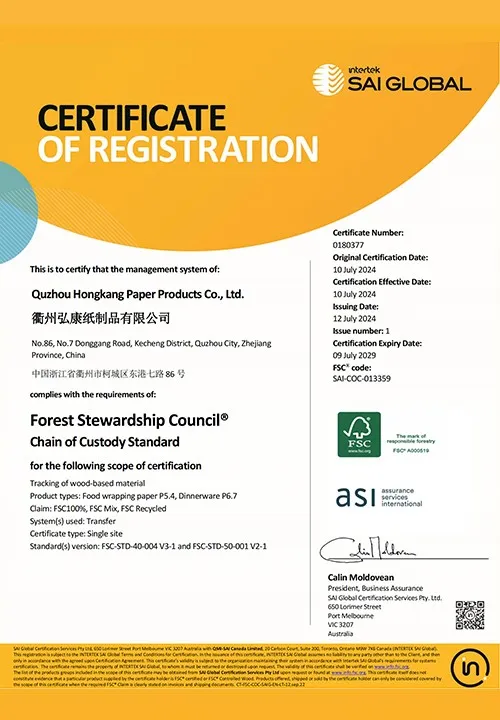
Our Certificates
Our company has obtained ISO, SGS, FDA, SedEX, BRC, FSC, QS and other certificates.


Frequently Asked Questions
Q: Why is tray packaging efficient?
Q: How to dispose of food trays?
Q: Which type of food tray is best for your takeout business?
Q: How to choose the right type of food tray for your takeout business?
The first thing to consider is the type of food you plan to serve. If you’re serving hot food, you’ll need a tray that can withstand high temperatures. For cold foods, you’ll need a tray that won’t sweat or leak.
Once you’ve considered the type of food you’ll be serving, it’s time to think about size. Your takeout operation might be small now, but you don’t want to be stuck with trays that won’t accommodate future growth.
It’s also important to think about the material. Some materials, like plastic, are cheaper but aren’t as environmentally friendly. Finally, you’ll need to decide on a shape. Rectangular trays are more space-efficient, while round trays can be easier to carry.
Ultimately, there’s no wrong answer when it comes to choosing the right type of food tray for your business. By taking the time to consider your needs, you can find a tray that will help your business thrive.
Q: What kind of businesses use disposable food trays?
Q: Why are trays useful?
Q: What is the purpose of food platter?
Q: What is the purpose of a tray?
Q: What is the purpose of serving tray?
Q: Are paper trays biodegradable?
Q: What are food trays made of?
Q: What is a tray packaging?
Q: What are the benefits of food trays?
Q: Why are trays important?
Q: Are paper trays recyclable?
Q: Are paper food trays compostable?
Q: Is paper eco friendly packaging?
Q: What is the difference between a tray and a platter?
Q: What are the features of a serving tray?
Q: What are the types of trays?
Plastic Trays: As a result of the single-use issue with plastic, end-consumer communities have adopted hushed tones while using plastic. However, although single-use plastics are increasingly being substituted, recyclable and recycled plastics provide the greatest opportunity for a genuinely circular economy. Plastic trays for a tray packer machine are: C-PET Food Trays That Can Be Recycled C-PET trays have a wide range of applications and are capable of handling raw, frozen, and cooked foods. C-PET trays work perfectly for meals that can be heated and eaten right away. They're perfect for multi-temperature applications, such as pre-made meals. The tray packer machine through which it is put needs to have the option of changing the temperature when operating.
Plant-Based Trays: Packaging that can be composted is becoming more and more common. Compostable items have a high level of customer confidence, even if the process of composting products is not taking place. The contrast between commercially compostable packaging and the home compostable option is an important feature to look for.
We're well-known as one of the leading food tray manufacturers in China. Please feel free to wholesale customized food tray at competitive price from our factory. For pricelist and free sample, contact us now.
Double PE Coated Single Wall Paper Cup, 8oz Kraft Paper Container with Lid, Food Tray